

When you look at the bottom of a plastic bottle, container, or cap, you’ll often see a triangle made up of arrows with a number inside it. This symbol is the resin identification code, which indicates what type of plastic the product is made of. Reading the code correctly is important for consumers, manufacturers, and recycling companies alike.
What does the number inside the triangle mean?
The number indicates the product’s primary raw material and facilitates sorting based on waste type. There’s one important point to keep in mind here: The triangle symbol alone does not mean the product can be recycled everywhere. Whether a plastic can actually be recycled depends on the collection system, sorting capabilities, and whether there is a market for that material.
Plastic Types 1 through 7
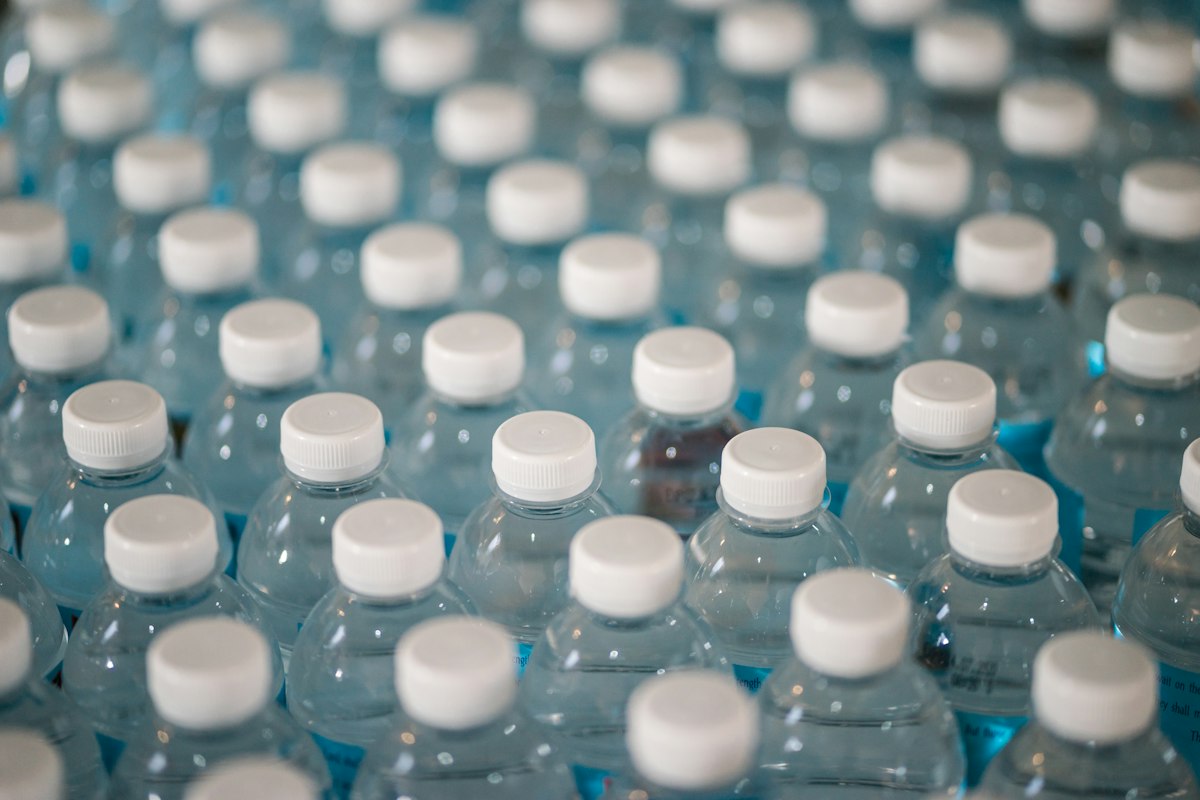
- PET (Polyethylene Terephthalate): Beverage bottles and clear food packaging. It is one of the most commonly collected and recycled plastics.
- HDPE (High-Density Polyethylene): Detergent and milk bottles, jugs, and crates. It is a sought-after material for recycling due to its sturdy structure.
- PVC (Polyvinyl chloride): Pipes, profiles, hoses, and some packaging. It is important to collect it separately because it can complicate the recycling process when mixed with other plastics.
- LDPE (Low-Density Polyethylene): Bags, stretch wrap, and packaging films. Its flexible structure requires extra care during collection and sorting.
- PP (Polypropylene): Lids, food containers, buckets, and automotive parts. Recycled PP can be reused in many technical products.
- PS (Polystyrene): Single-use containers and foam packaging. Because it is lightweight and bulky, it is relatively difficult to collect.
- Other: Plastics not listed above and products made from a combination of multiple materials. They are often difficult to sort.
Why is this important for industry?
Recycling codes aren’t just for consumers. In the plastics industry, these codes play a key role in the following areas:
- Waste sorting: Sorting production waste and scrap by type facilitates their sale to recycling companies and their reuse.
- Recycled raw materials: Crushed, washed, and re-granulated plastics can be used as alternatives to virgin raw materials. These materials are referred to in the industry as rPET, r-PP, and similar designations.
- Customer demands: Buyers of packaging and products are increasingly expecting recycled content or recyclable designs from their suppliers.
Considerations when using recycled raw materials
- Batch consistency: The color, flow properties, and mechanical properties of recycled raw materials may vary from batch to batch. Conduct test runs with samples before mass production.
- Cleanliness and moisture: Foreign matter, label residue, and moisture can cause surface defects during production.
- Blend ratio: Many manufacturers use recycled raw materials by blending them with virgin raw materials at specific ratios. The appropriate ratio is determined through testing based on the product and the expected durability.
- Food contact: The use of recycled raw materials in packaging that comes into contact with food is subject to additional conditions. Be sure to check the relevant regulations and the supplier’s compliance certificates.
Recycling Your Own Production Waste
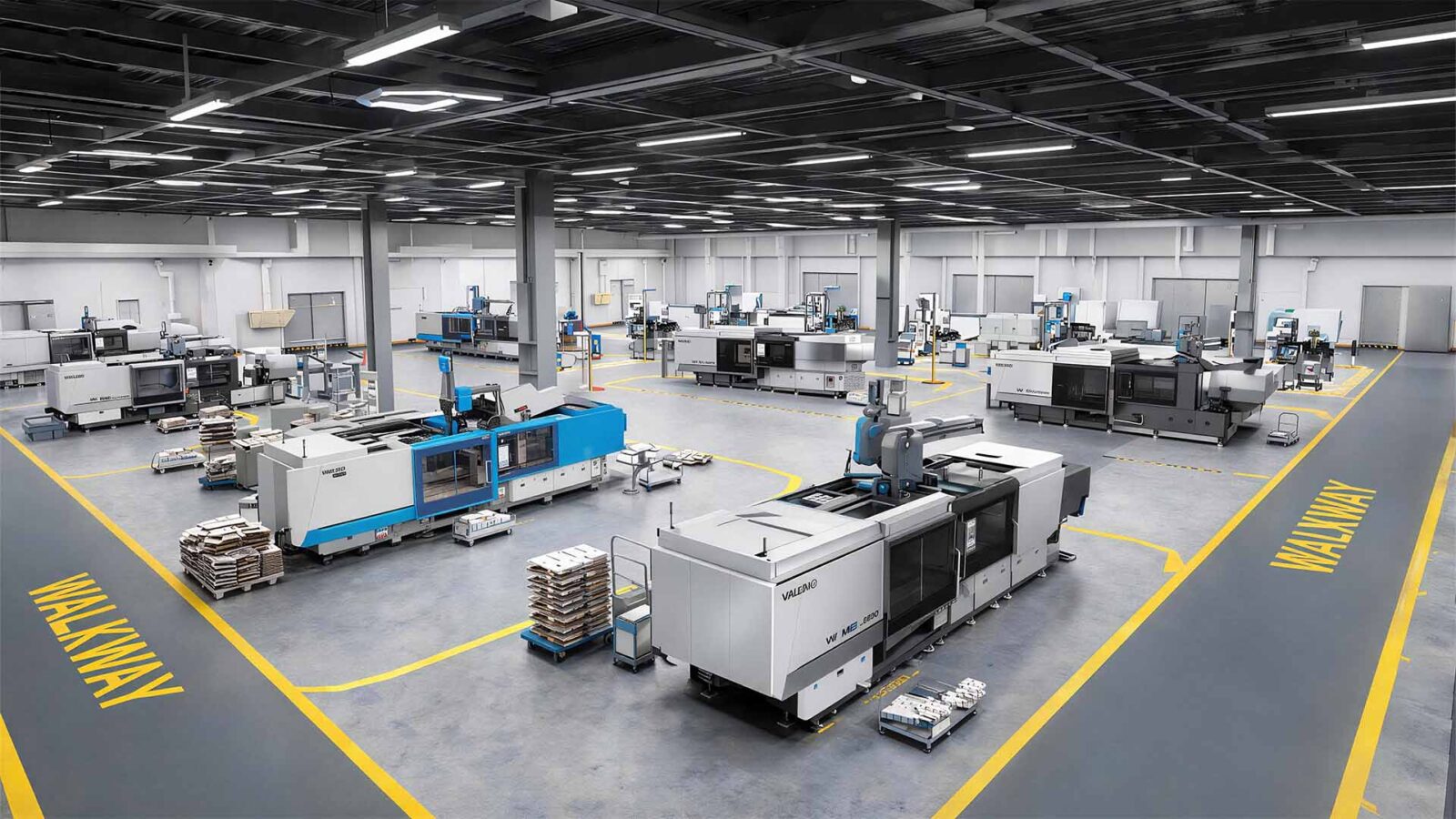
In injection and extrusion production, scrap—such as flash, defective parts, and material lost during setup—is unavoidable. When collected clean and as a single type, this waste can be ground in a shredder and reused in the same production process at specific ratios. This reduces both raw material costs and the amount of waste.
Designing Products for Recycling
Whether a product can be recovered after use is largely determined during the design phase. The general principles are as follows:
- Use a single type of material whenever possible; permanently bonding different plastics makes separation more difficult.
- Ensure that the cap, label, and body are made of compatible materials or materials that can be easily separated.
- Avoid unnecessary additives and coatings.
- Dark-colored plastics may be difficult to identify in some recycling systems; choose colors with post-use recycling in mind.
- Clearly mark the resin identification code on the product.
Conclusion
Recycling codes are the first step in managing the life cycle of plastic products. Correctly reading the code, sorting waste by type, and designing products to facilitate recycling reduces both the industry’s costs and its environmental impact. For suppliers of recycled and virgin raw materials, visit our raw material suppliers category; for all industries, visit our industry-specific companies page.