

Medical Sample Collection Technologies: Production Processes and Technical Standards for Vacuum and Non-Vacuum Blood Collection Tubes
Blood collection tubes, one of the cornerstones of modern medicine and laboratory diagnostic processes, play a critical role in the reliability of clinical diagnoses. Developed to collect an appropriate amount of blood sample for laboratory testing in a safe, standardized, and contamination-free manner, these containers are manufactured using industrial processes that require high precision.
1. Comparative Analysis of Vacuum and Non-Vacuum Blood Collection Tubes
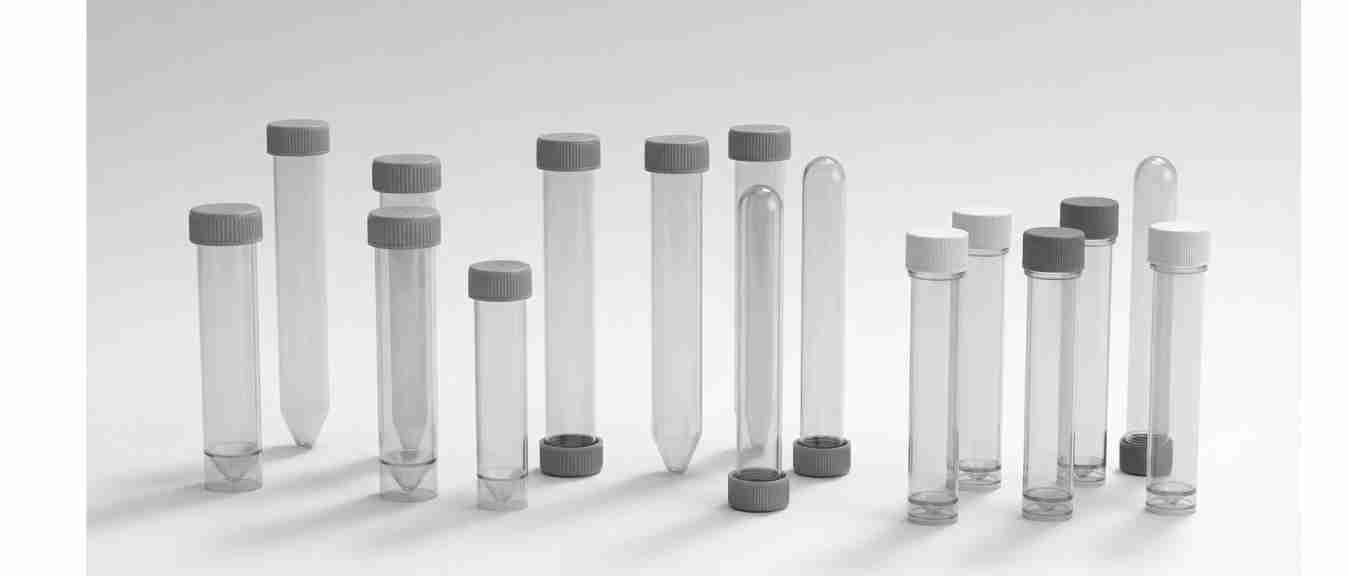
Blood collection tubes are broadly divided into two categories: vacuum and non-vacuum tubes.
- Vacuum Blood Collection Tubes: These are single-use, capped containers that contain a pre-calibrated vacuum pressure. Cap colors indicate, according to a universal standard, the additives (anticoagulants, gels, etc.) contained within the tube and for which laboratory tests they are suitable.
- Non-Vacuum Blood Collection Tubes: These do not contain a pre-set vacuum pressure. They are generally preferred for pediatric (child) patients, situations requiring a low blood volume, capillary blood collection methods, or special procedures (e.g., PRP—Platelet-Rich Plasma applications). Blood is either transferred into the tube using a syringe or collected via the capillary method. They offer a more economical alternative to vacuum tubes in terms of cost.
2. Key Stages in the Manufacturing Process
The production of blood collection tubes is carried out on highly precise and automated industrial lines. The main stages of the process are as follows:
Step 1: Injection Molding of PET Tubes and Plastic Caps
The first stage of the production process involves shaping the raw materials. PET (Polyethylene Terephthalate) tubes and plastic caps are produced using the injection molding method.
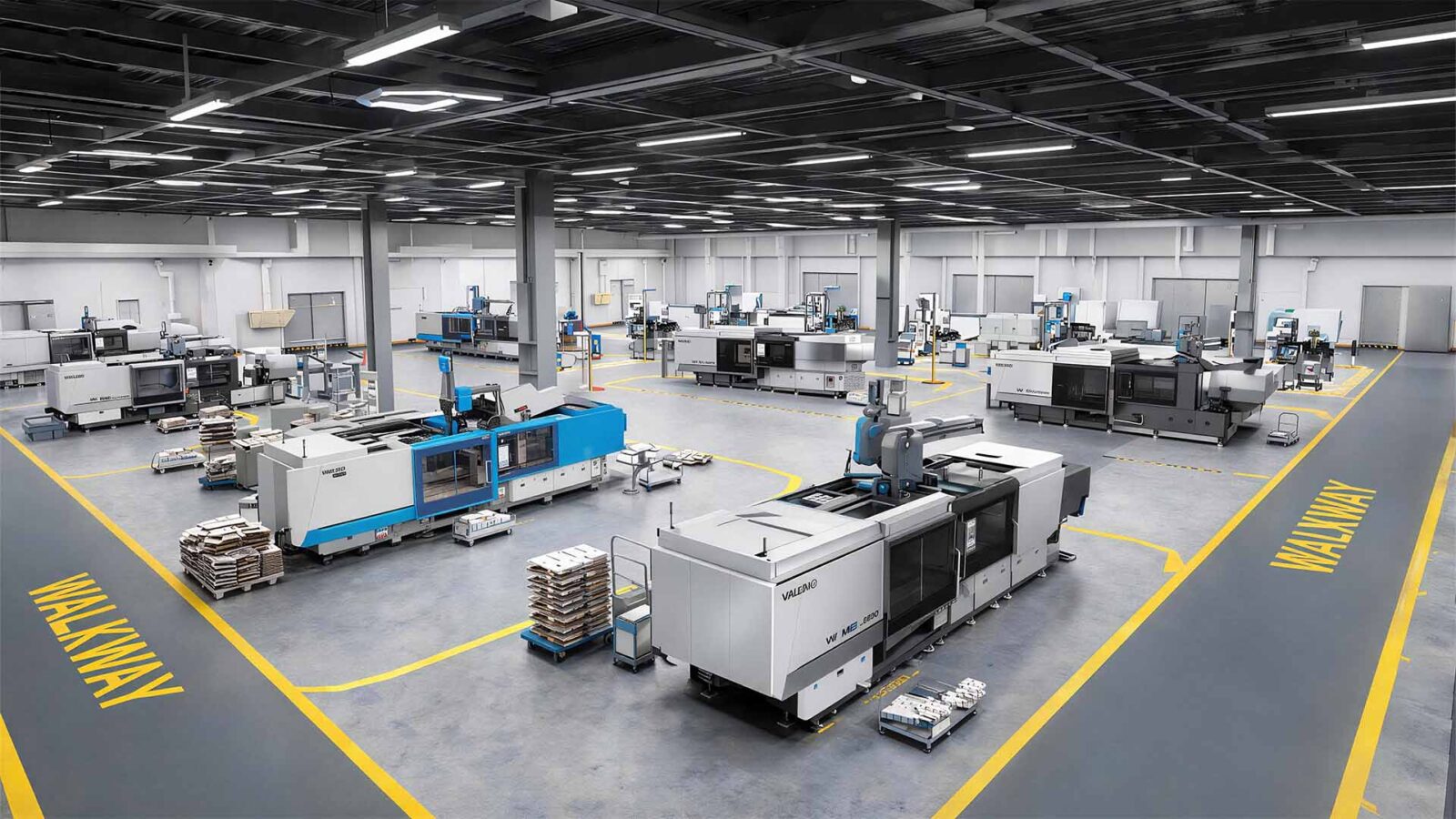
- Technological Infrastructure: Medical-grade electric injection molding machines are used to ensure precise design and dimensional standards. These machines fully comply with “Clean Room” standards.
- Material Variety: In addition to PET tubes, polypropylene (PP) and glass tubes can also be used on filling lines.
- Robotic Automation: Advanced robotic automation systems are deployed during production to prevent tubes from being scratched or deformed, ensuring products are transferred to conveyor systems without damage.
Step 2: Tube Sorting
Molded tubes and caps are automatically sorted in a single direction according to their size and type to ensure maximum efficiency in subsequent assembly stages.
Step 3: Labeling
Information critical for traceability—such as expiration date, lot number, barcode, and tube type—is accurately applied to the tubes using specialized labeling machines.
Step 4: Placement on Racks
The tubes, once labeled, are placed into special racks to be transferred to the next stage of the production line. This step requires high precision to protect the tubes from mechanical damage.
Step 5: Reagent Dosing and Drying
Chemical reagents are added to the tubes to ensure that blood samples are collected correctly, clot properly, or are preserved without spoilage:
- Reagent Dosing: The necessary chemicals are dispensed into the tubes using precision dosing machines.
- Drying and Quality Control: Reagent drying machines ensure that the chemicals dry under ideal conditions inside the tubes. During this process, camera-based inspection systems optically monitor tube quality and fill rates; non-conforming products are automatically removed from the line.
Step 6: Capping and Vacuuming
This is the most critical stage of vacuum tube production. Caps are securely seated on the tubes, and the vacuum machine creates the target vacuum pressure inside the tube. This process ensures the integrity of the sample is maintained during the safe collection and transfer of blood samples.
Packaging and Sterilization: At the end of the production line, machines for foam tray placement, sealing, shrink wrapping, and carton packaging are used. Additionally, the sterilization process is a mandatory final step to ensure the products are fully suitable for medical use.
3. Standard Tube Sizes and Technical Capacities
Blood collection tubes are available in various sizes and volumes depending on their intended use:
| Tube Size | Blood Collection Capacity | Common Applications and Cap Colors |
| 13 x 75 mm | 1.8 mL – 4 mL | Standard tubes: Purple (EDTA), Blue (Sodium Citrate), Red (Unadulterated/Clot Activator), and Yellow (Gel). |
| 13 x 100 mm | 4 mL – 6 mL | Medium-volume biochemistry and hematology tests. |
| 16 x 100 mm | 7 mL – 10 mL (or more) | Specialized clinical chemistry, PRF (Platelet-Rich Fibrin), or high-volume serum/plasma studies. |
Special Sizes: In addition to standard volumes, special tube sizes such as 11.5 x 55 mm (3 mL), 11 x 70 mm (3 mL), 12 x 75 mm (5 mL), and 12 x 86 mm (5 mL) may also be included in production programs.