

The strength, appearance, service life, and cost of a plastic product largely depend on the selected raw material. Using different raw materials with the same mold can yield vastly different results. In this guide, we summarize the most commonly used types of plastics in industry, their standout features, and the products they are preferred for.
Thermoplastics and Thermosets: The Fundamental Distinction
Plastics are generally divided into two groups. Thermoplastics soften when heated and solidify again when cooled; because this cycle can be repeated, they are easily shaped using methods such as injection molding, extrusion, and blow molding, and they are recyclable. Thermosets, on the other hand, harden chemically during shaping and cannot be remelted. All the raw materials discussed in this article are thermoplastics.
PP (Polypropylene)
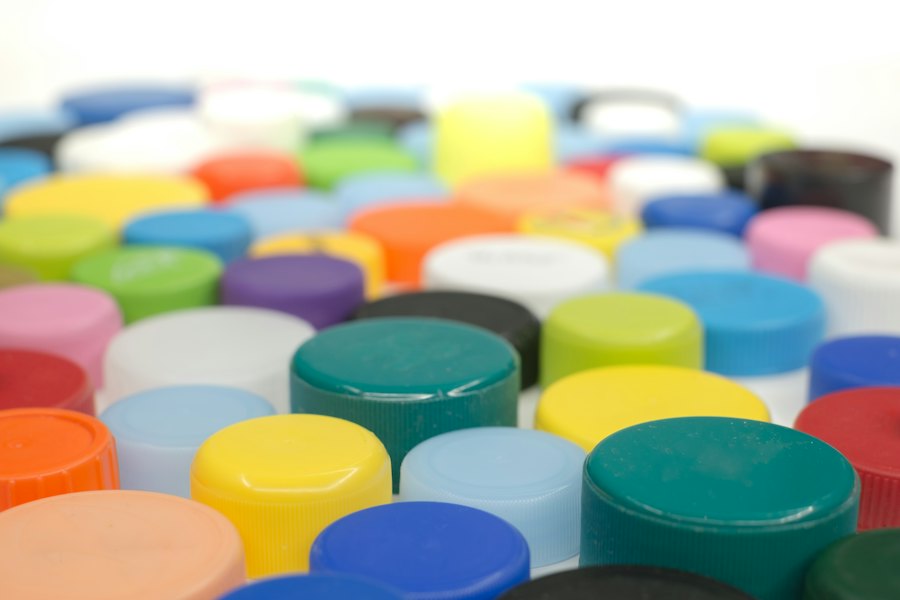
Polypropylene is a lightweight, chemically resistant, and easily processed raw material. Thanks to its ability to withstand repeated bending, it is frequently used in hinged caps.
-
Typical uses: Caps, buckets, food containers, disposable products, automotive parts, sacks, and fibers.
-
Standout feature: Balance of price and performance.
PE (Polyethylene): HDPE and LDPE
Polyethylene is one of the most widely used plastics in the world and is divided into different types based on its density.
-
HDPE (High-Density): Rigid and durable. Used in jerrycans, detergent bottles, crates, and pipes.
-
LDPE (Low-Density): Flexible and soft. Preferred for films, bags, stretch wrap, and flexible packaging.
PET (Polyethylene Terephthalate)
With its transparency, lightweight nature, and strength, PET is one of the fundamental raw materials of the packaging industry. Bottles produced via blow molding, food packaging, and thermoformed containers are its most well-known application areas. Recycled PET can be utilized in the production of fibers and new packaging.
PVC (Polyvinyl Chloride)
PVC is a versatile material that can be produced in rigid or flexible forms depending on the additives mixed into it.
-
Rigid PVC: Pipes, window and door profiles, sheets.
-
Flexible PVC: Hoses, cable jackets, floor coverings. It is preferred in construction and infrastructure products due to its long service life.
PS (Polystyrene)
Polystyrene is an easily shaped, rigid, and economical raw material. In its solid form, it is used in disposable cups; in its foam form (EPS), it is used in protective packaging and thermal insulation. Impact-modified types (HIPS) are found in parts such as refrigerator inner liners.
ABS (Acrylonitrile Butadiene Styrene)
ABS is an engineering plastic that stands out for its impact resistance and surface quality. Because it can be painted and plated, it is preferred for visible parts.
-
Typical uses: Bodies of white goods and small household appliances, electronic enclosures, automotive interior parts, toys.
Masterbatch and Additives
Masterbatch is used to impart color or additional properties to the raw material. Masterbatch consists of granules containing high concentrations of pigments or additives, which are mixed into the base raw material at a specific ratio. In addition to color, additive masterbatches are also available for purposes such as UV resistance, slip properties, antistatic properties, and flame retardancy.
What to Consider When Choosing a Raw Material?
-
Operating conditions: Will the product be exposed to impact, heat, sunlight, or chemicals?
-
Appearance: Is transparency, gloss, or paintability required?
-
Production method: Different types (melt flow rates) of the same polymer are used for injection molding, extrusion, and blow molding. Be sure to request the supplier’s technical data sheet.
-
Food and health contact: For products in contact with food or medical applications, request documents from the supplier proving that the raw material complies with relevant regulations.
-
Moisture and storage: Some raw materials, such as PET and ABS, absorb moisture; they must be dried before processing.
-
Virgin or recycled: Recycled raw material offers cost and environmental advantages; however, since there may be color and property variations between batches, trial runs with samples are recommended.
Conclusion
Choosing the right raw material affects everything from production scrap rates to the product’s lifespan in the field. The soundest approach is to determine the most suitable type together with your supplier by sharing details about your product, manufacturing method, and operating conditions. You can reach polymer, masterbatch, and additive suppliers through our raw material suppliers category.