

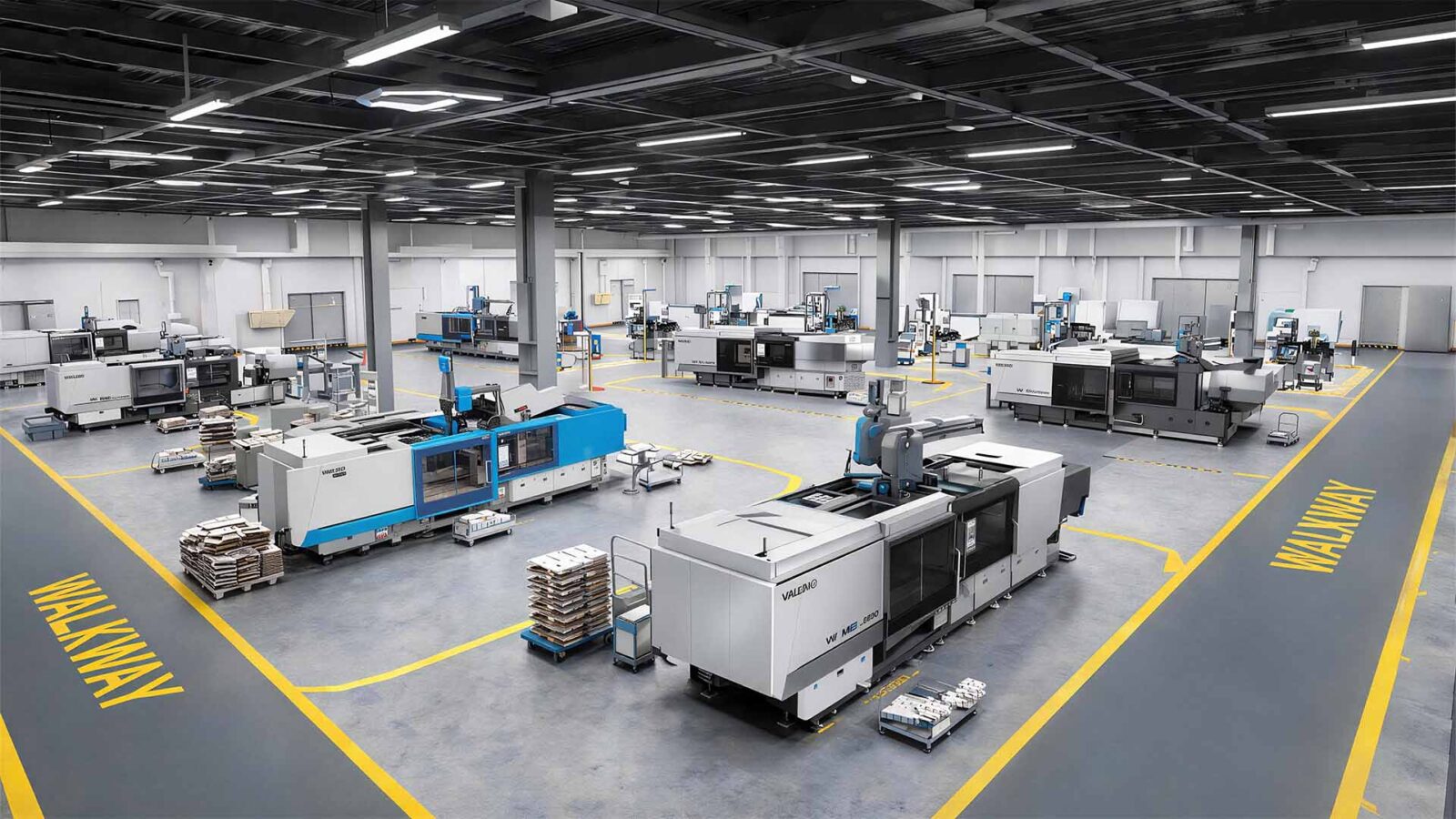
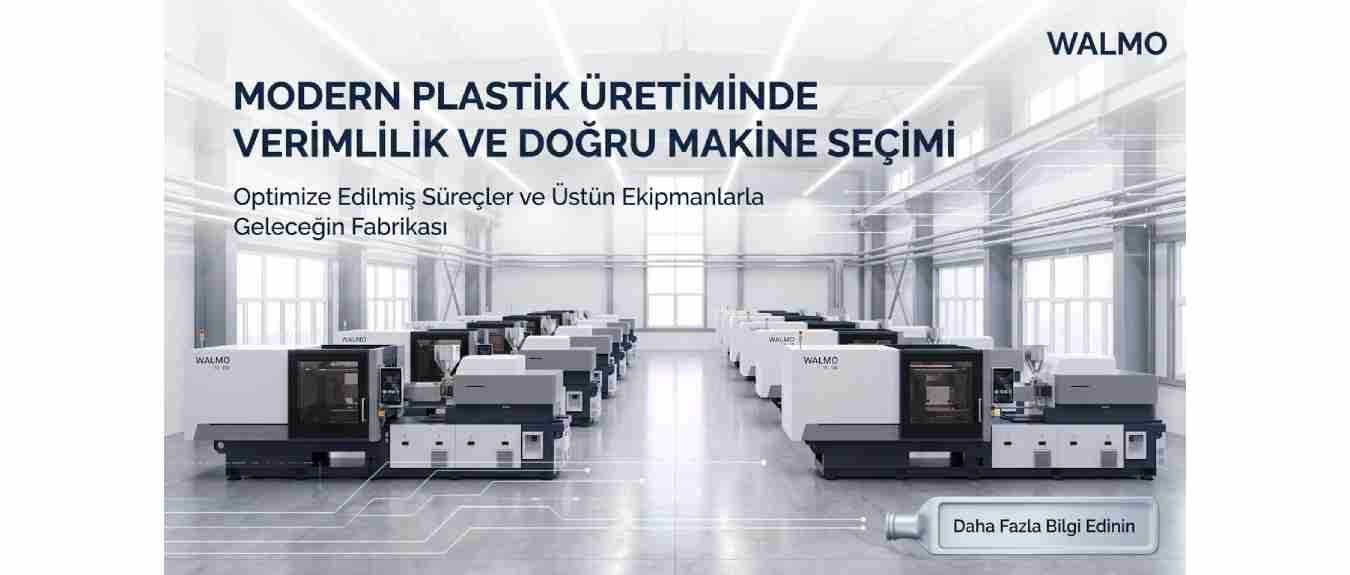
Injection Molding Machines: Efficiency and the Right Machine Selection in Modern Plastic Production
For companies operating in the plastics processing industry, investing in an injection molding machine is a critical decision that directly impacts production capacity and profitability. Determining the right machine type and tonnage requires a comprehensive evaluation of numerous technical parameters—ranging from raw material properties to mold geometry, and from annual production volume to energy efficiency.
At Elver Makine, leveraging our engineering expertise in plastic injection molding technologies, we help investors achieve their goals of maximum efficiency and minimum unit costs; we provide end-to-end consulting on the integration of the right machines and peripheral equipment tailored to each project.
What Is Injection Molding and How Does It Work?
Injection molding is a manufacturing process based on the principle of heating and melting polymer-based plastic pellets and injecting them into a precision mold cavity under high pressure. The molten raw material cools and solidifies within the mold, taking on the exact shape of the mold’s geometry.
This cycle is repeated within seconds or minutes using the same mold, enabling the production of high volumes of standardized plastic parts. Used across a wide range of industries—from the automotive and packaging sectors to the manufacture of home appliances and medical devices—this method is the fundamental key to maintaining consistent quality in mass production.
Essentially, an injection molding machine consists of two main units:
1. Injection Unit: This is the section where the raw material is dried, melted using a screw-and-barrel system, and injected into the mold under high pressure.
2. Clamping Unit: This is the mechanism that keeps the mold closed with high clamping force and withstands the pressure during injection.
Advantages of Injection Molding Machines in Plastic Production
Opting for injection molding technology on an industrial scale provides businesses with a competitive edge both operationally and financially:
- High-Volume Production Capacity: Modern machines that can be integrated with automation can produce millions of units continuously with short cycle times.
- Superior Design Flexibility and Geometric Complexity: Even the most complex part designs can be produced in a single operation with precise tolerances and a smooth surface finish.
- Cost Optimization and Low Scrap Rate: Thanks to advanced metering and flow control systems, material waste is minimized, and labor and unit costs are optimized.
- Raw Material Versatility: It offers the ability to work with a wide variety of engineering plastics, such as PP, PE, ABS, PC, PA, and PET.
How to Choose the Right Injection Molding Machine?
Making the right machine investment requires more than just procuring a piece of equipment—it requires engineering planning. The key criteria to consider during the selection process are as follows:
- Raw Material Properties: The melt viscosity, temperature sensitivity, and additive ratios of the polymer to be processed directly affect the screw-barrel design and heating capacity.
- Production Volume and Cycle Time: Annual production targets and the number of mold cavities determine the machine’s required injection speed and capacity.
- Integration of Auxiliary Equipment: An injection molding machine must operate as an integrated system with peripheral units such as raw material dryers, chillers (water cooling systems), hot runner control units, and robotic part retrievers. Incompatibility of equipment can lead to efficiency losses.
Industrial Solutions with Elver Makine
At Elver Makine, with our industry experience and expert technical staff, we are here to assist you in selecting the machine type and size best suited to your business’s operational needs. Throughout the process—from the feasibility stage of your investment to commissioning—
- Injection tonnage and mold compatibility analysis tailored to your production goals,
- Energy-efficient and high-performance machine configurations,
- Support for auxiliary equipment and automation for complete production lines,
- Comprehensive technical service and operational training services following commissioning.
Conclusion
Selecting the right injection molding machine is critical to improving quality, reducing energy costs, and gaining a sustainable competitive advantage in your plastic production lines. With its strong corporate culture and customer-focused engineering approach, Elver Makine is your trusted partner for taking your production operations to the next level.
Contact us today for more detailed information about our product portfolio, the technical specifications of our machines, and our customized solutions for your projects.