

All-Electric Injection in PET Preform Production: The New Standard for Faster, More Efficient, and Sustainable Manufacturing
As competition in the packaging industry intensifies every day, manufacturers face a critical question: how can we increase hourly output with lower energy costs and less scrap?
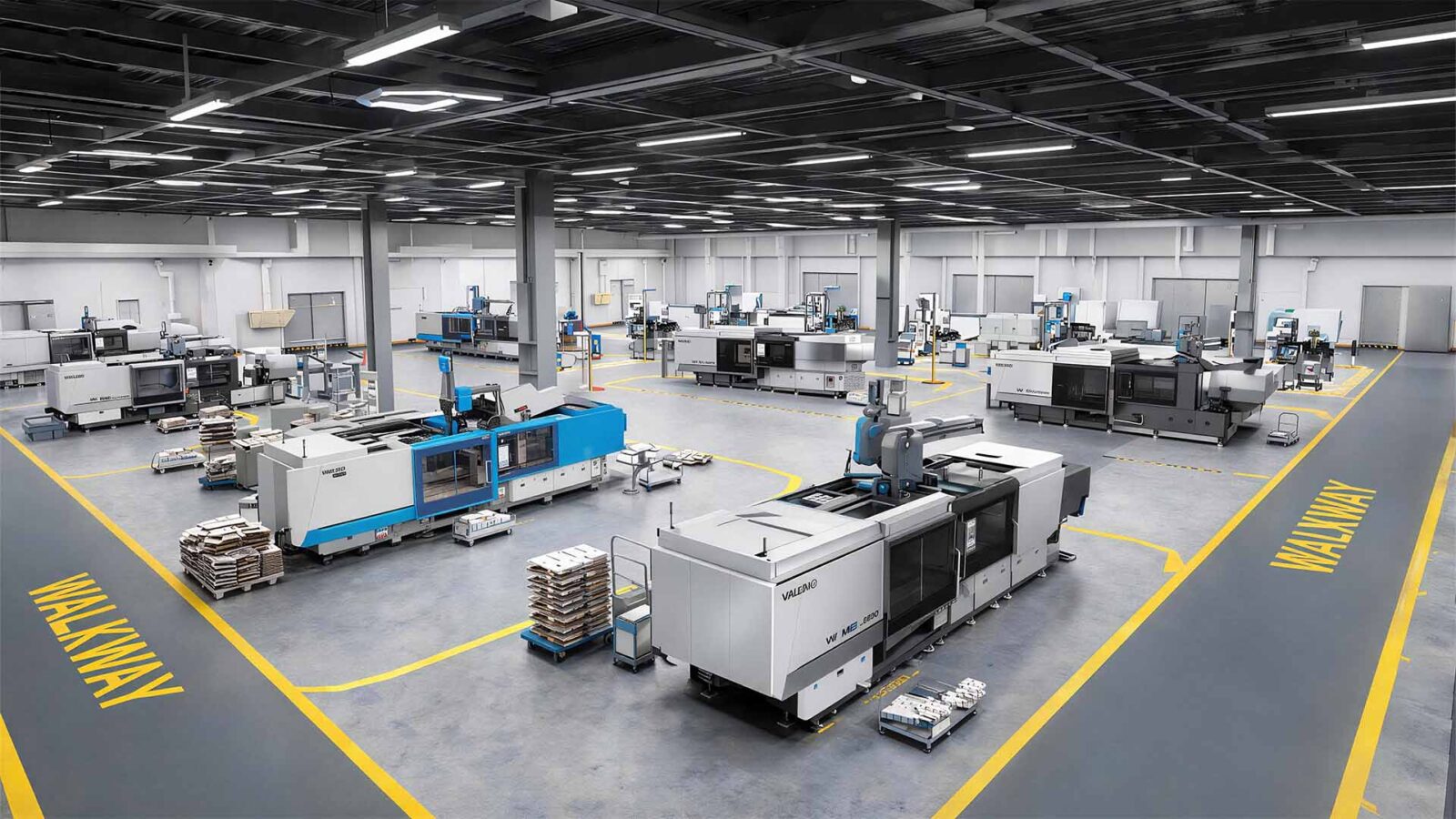
In PET preform production—which forms the foundation for blow-molded packaging across food, beverage, cosmetics, and household chemicals—speed, precision, and energy efficiency are no longer treated as separate priorities. Right at this point, WePET All-Electric Injection technology delivers a strong economic and environmental advantage to modern production facilities.
Why Is PET Preform Production So Sensitive?
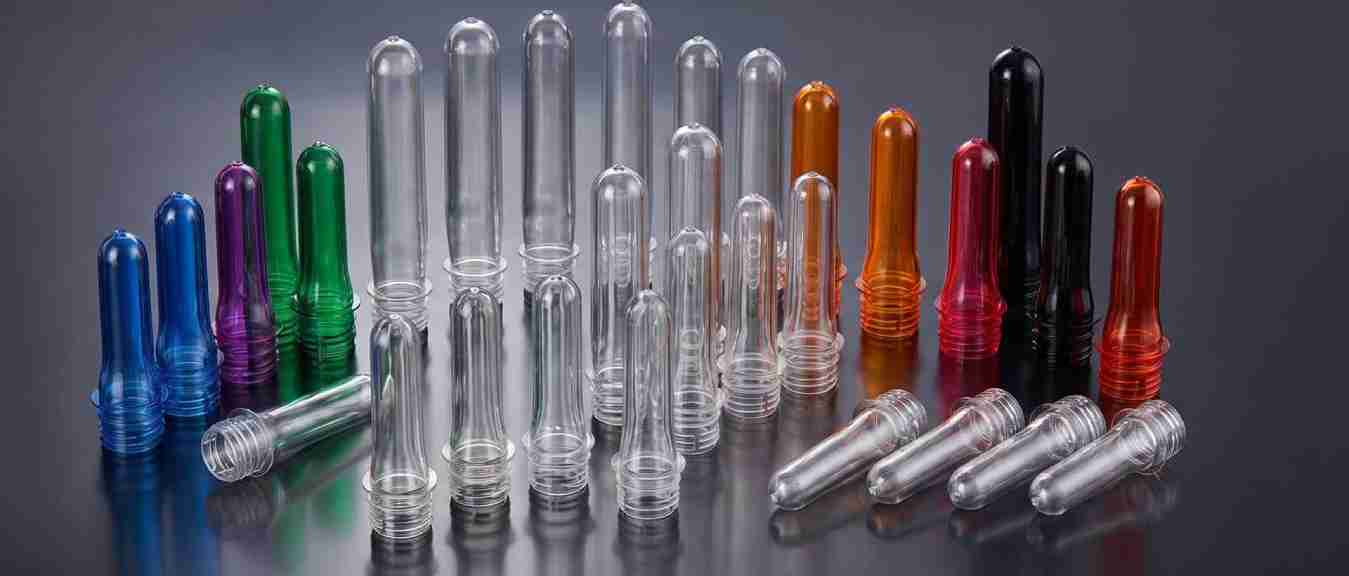
Preforms—produced by melting polyethylene terephthalate (PET) granules and injecting them into high-precision molds—are intermediate products leading up to the blow-molding stage. Final bottle wall thickness distribution, optical clarity, and sealing performance depend directly on preform quality.
For error-free production, the process typically progresses through five core steps:
- Resin Preparation: Moisture is removed from PET granules to prevent degradation and crystallization risks.
- Melting: The material is converted into a homogeneous melt with thermal stability.
- Injection: Molten PET is transferred into multi-cavity mold cavities under controlled speed and pressure.
- Cooling: Thick-walled preforms solidify while preserving their form and clarity.
- Robotic Take-Out and Transfer: Parts are removed from the mold and transferred to the next stage without damaging neck and thread structures.
What Changes with WePET All-Electric Injection?
Offering a more agile and stable structure compared to conventional systems, the WePET series is engineered for the high-pace demands of PET preform manufacturing:
- Two-Stage Injection Advantage: Plasticizing and dosing are assigned to the screw stage, while high-speed, high-pressure injection is handled by a separate plunger stage. This separation helps shorten cycle times and preserve melt quality in high-capacity molds with 24, 48, or even 144 cavities.
- Short Cycle Times with Parallel Movements: Thanks to its electric drive architecture, running movements in parallel lowers cycle time and expands total capacity.
- High Rigidity, Low Scrap: Strong structural rigidity limits mold deformation under high pressure, improving part weight and wall thickness consistency.
- Post-Mold Cooling and Integrated Automation: A four-station post-mold cooling system saves time with “charging while moving” during cooling. A side-entry part-removal robot and hot runner control make the process even smoother.
Tangible Benefits for Manufacturers
- Lower Energy Consumption: An all-electric design and infrared heating solutions reduce energy usage.
- Fast Return on Investment (ROI): Depending on the production profile, five-figure annual energy savings potential (in EUR/USD) shortens the payback period.
- Smaller Carbon Footprint: Lower energy consumption directly supports sustainability goals.
- Real-Time Process Monitoring: Cycle steps are tracked through the take-out robot and control infrastructure to support consistent quality.
Essential Equipment for a Flawless PET Preform Line
A powerful injection machine alone is not enough; an efficient line requires all auxiliary systems to work in harmony:
- PET Injection Molding Machine
- PET Dehumidifying and Drying System
- PET Bottle Preform Mold
- Mold Dehumidifier
- Water-Cooled Chiller
Why Is Drying Critical?
PET is a hygroscopic material, and if it is not dried sufficiently prior to injection, polymer degradation can cause haze, color shift, brittleness, and a drop in molecular weight. Key pillars of this process include a dehumidifying unit with desiccant rotor technology (down to a -40°C dew point, for example), a double-walled stainless steel drying hopper, a closed-loop vacuum loader, and a mold dehumidifier to prevent condensation around the mold area. In the field, drying is typically targeted at 160–170°C for at least 4 hours to achieve <50 ppm moisture, while filter and sensor maintenance are essential for continuity.
Mold Design and the Power of 4-Station Cooling
While multi-cavity molds (24, 48, 144 cavities) and hot runner systems with valve gates deliver high output, proper splitting and ejection mechanisms play a critical role in preventing damage to the threaded neck area. Picking up preforms by their neck rings and processing them in a 4-station cooling setup:
- Shortens cycle time,
- Balances shrinkage and reduces internal stresses such as warpage or ovality,
- Extends mold life by lowering thermal fatigue.
Every Step from a Single Source: ELVER Makine
Configuring the entire line from a single point—from the injection molding machine and mold, hot runner systems, and post-mold cooling stations to material dryers, dry air curtains, and chiller units—both accelerates installation and guarantees process compatibility. With comprehensive PET preform expertise and auxiliary equipment, ELVER Makine delivers end-to-end, reliable, and sustainable solutions for manufacturers.